NOTE: If you want to see an enlarged picture – Right click the picture and open it in a new tab. It will open in a new tab almost full screen sized.
I get asked this question constantly; “What do you do for food out there?”. Well that depends on the trip of course so let me describe my ICW trip. On this trip I knew I would be able to stop along the way and eat at restaurants, or walk to a supermarket or bakery and possibly even stop at other stores like Walmart, target and the like. I did get to eat at a few restaurants along the way, some nice others more of a hot dog stand. At one of the campgrounds I found a place that would deliver and that was nice, pizza leftovers were good for a day or two.
Of course food likes and dislikes are personal. So I am not recommending anything in particular however, I always tried to keep about a weeks worth of dinners on hand. At my last stop (an Inn attached to a marina in St. Augustine) I was able to take advantage of a courtesy car and get groceries. Well that turned out to be about 35 pounds of food as pictured below including packaging and some first aid and cleaning supplies:
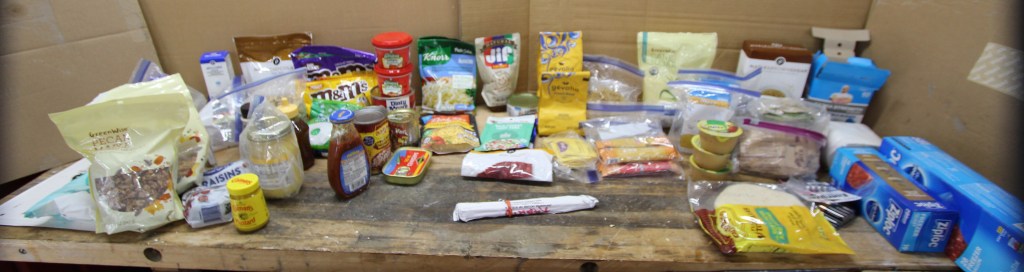
As you can see in the photo there are canned goods in the mix. When I trek into Canada and their parks, cans and bottles are prohibited. As I go over the main food groups I’ll mention how I handle that in both situations.
The table of contents below is clickable so you don’t have to scroll to get to see what you want.
Dehydrated vs Solid food
Many people assume I use allot of dried foods. I do use them where I can, but I don’t normally go out and get the commercial/backpackers dehydrated brand stuff. I will use dried foods from the supermarket, or I will do the dehydration myself. I don’t use the backpackers packaged meals, because I haven’t found a brand I like and find they normally aren’t packaged as a single serving. Plus I can make (and spice) food the way I like, and then dehydrate it myself.
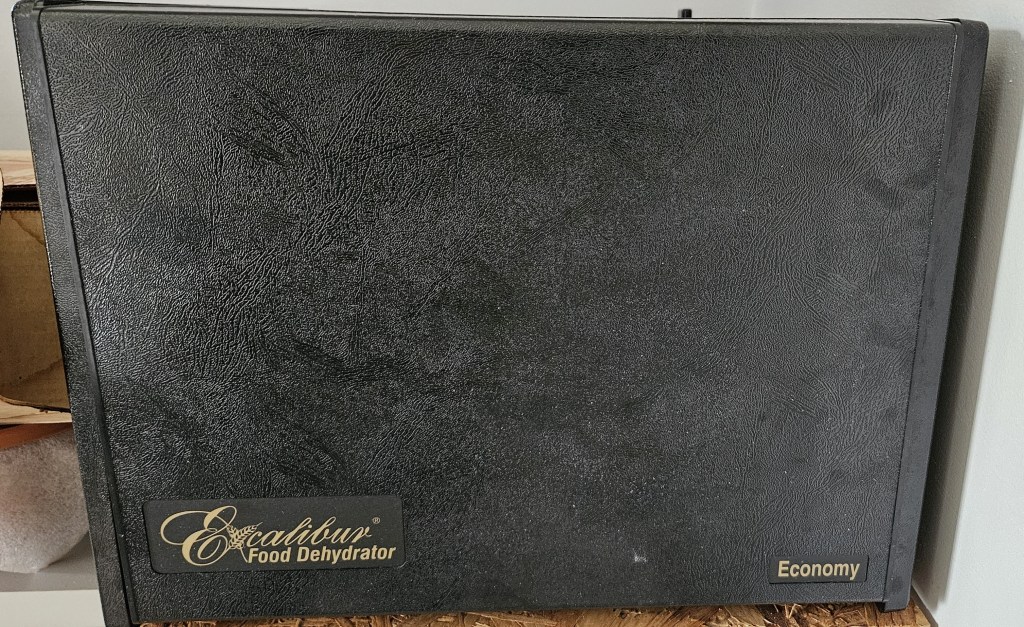
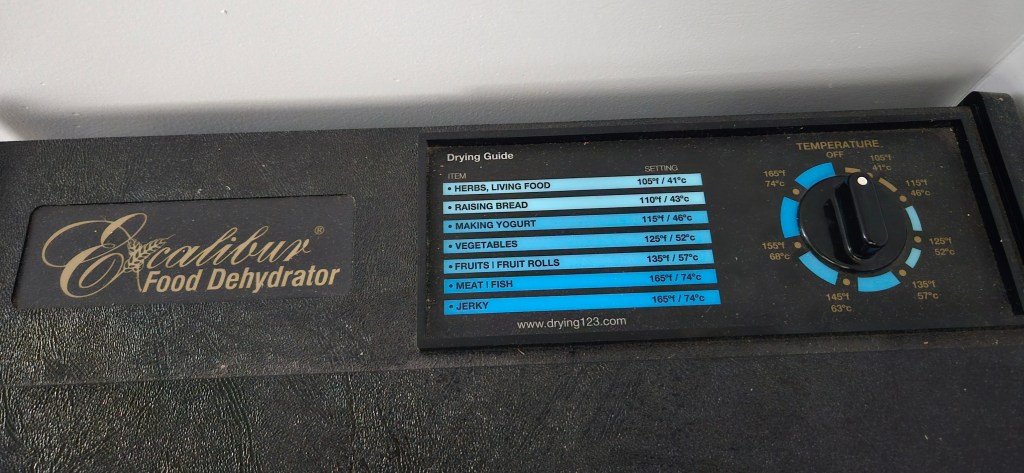
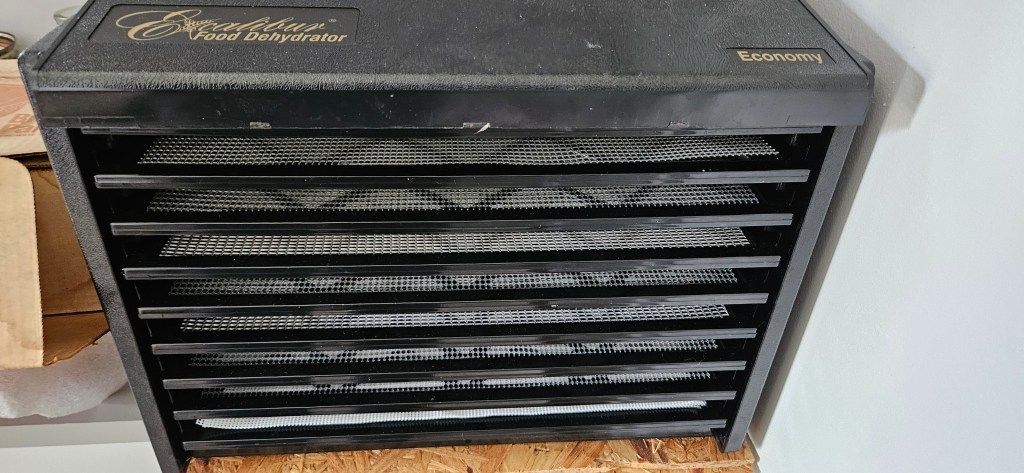
Excalibur dehydrator
I purchased and use an Excalibur 9 tray dehydrator, for more than just trekking. My wife is a gardener so we have a prolific vegetable garden and an herb garden. The dehydrator works great to preserve and store the bounty of those gardens. I will also buy fruit (cranberries, blueberries, cherries, apples and pears to name a few) in season and then dry them for use as snacks and trail mix items. My grandkids love the pear and apple chips. Some of the fruit can be pulverized and made into fruit leather as well.
I can also create whole dehydrated meals using my machine. I have not experimented as much as I would like with that, but it is possible. Cook the meal completely, weigh it, place it in the dehydrator, once dried weigh it again to know how much water to add back when reconstituting. Dehydrating at home has many benefits as you know exactly what is in the product.
Solid foods
There are foods that I prefer to bring in their natural state. For those I went online and searched how to safely store and use each item without refrigeration.
Eggs
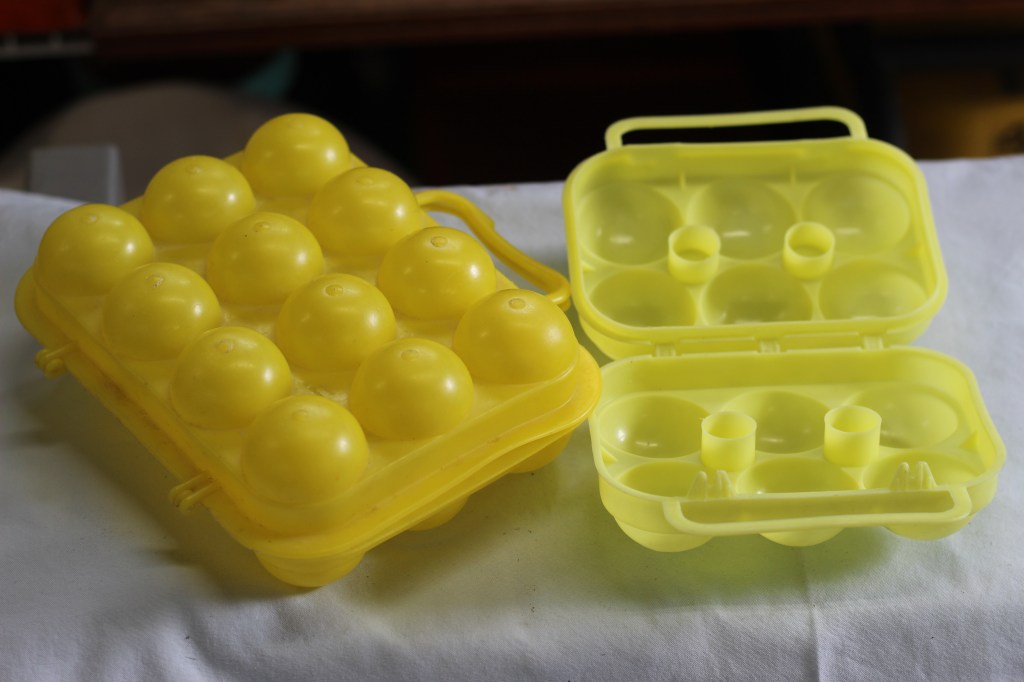
Did you know that fresh unwashed eggs can last over 21 days without refrigeration? Well, they can; and I have friends where I can get fresh unwashed eggs. I have also just used eggs from the supermarket and used them well within that time frame without issue. If you have a question as to whether or not the egg has gone south; use the float method to determine if you can eat it safely. Of course, eggs are delicate but proper containers will assist in keeping them out of your gear (see below).
Cheese
The harder cheeses will last the longest without refrigeration. I tend to carry hard SMOKED cheese as the smoking process also assists in keeping them from spoiling.
Butter – oils
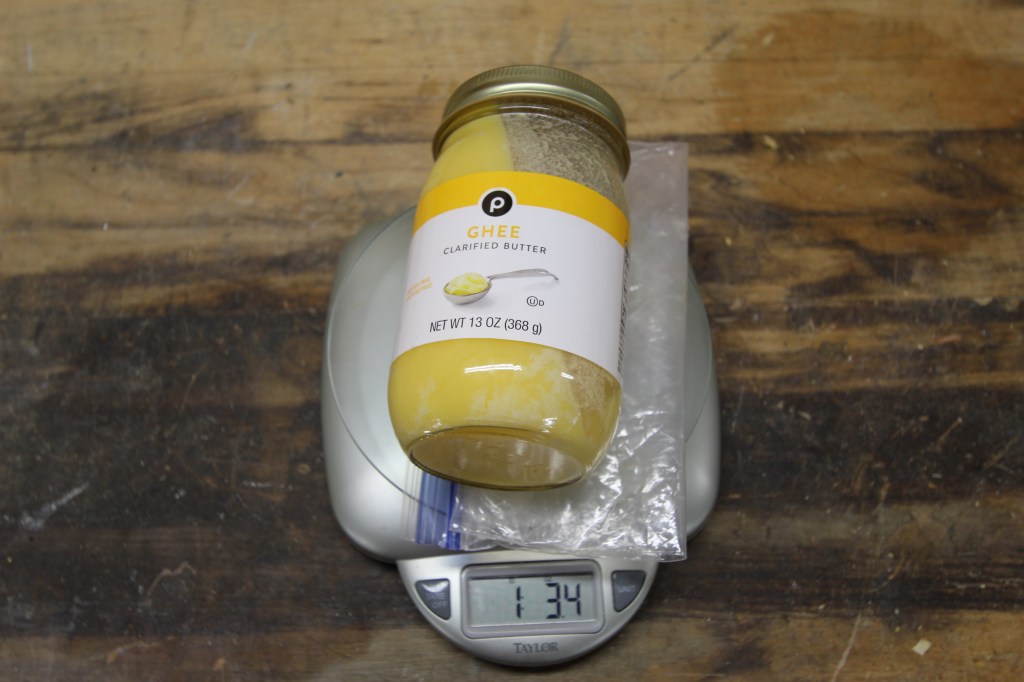
I have read that butter will last a week without refrigeration. I feel better carrying Ghee, rather than just carrying butter. Ghee is shelf stable (clarified) butter – Where they have removed all the milk fats that would go bad. It works great as an oil/butter substitute and I don’t worry how long I have had it. To carry this into a Canadian park I repackage it into a plastic container.
Oils (no matter the package) can/will leak so I stay away from them to an extent. I do bring olive oil for cooking and the flavor it adds. I always double bag the oils and even the Ghee.
Meat’s
There are shelf stable meat’s available at most supermarkets. I love my bacon, and you can get precooked shelf stable bacon at the supermarket, it is normally found near the cooler where you find the bacon. It is a normal staple on any of my trips.
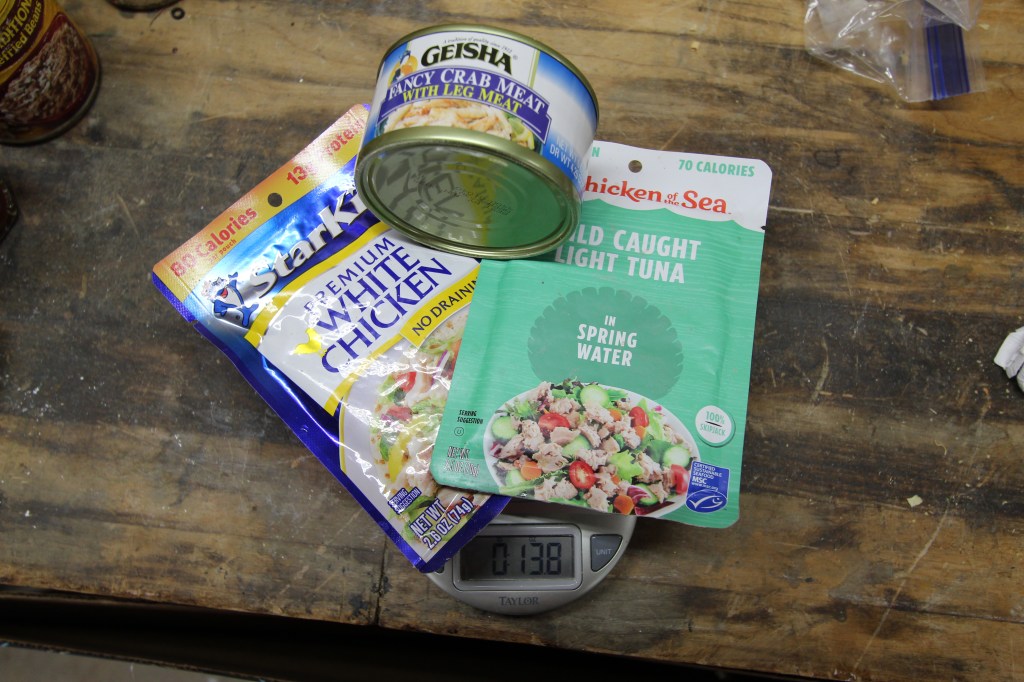
Then there are the packaged meats – chicken, ham, salmon, tuna – in foil packages. These meats are good alone or as an additive to ramen or soups. They are all found on the same isle in the supermarket, where the canned tuna is normally sold. During the ICW trip I also took canned meats like Crab, potted meat, sardines… I cannot bring the cans during a trip north, but they were nice to have access to on the ICW.


Breakfast
Oatmeal, cream of wheat, eggs or pancakes
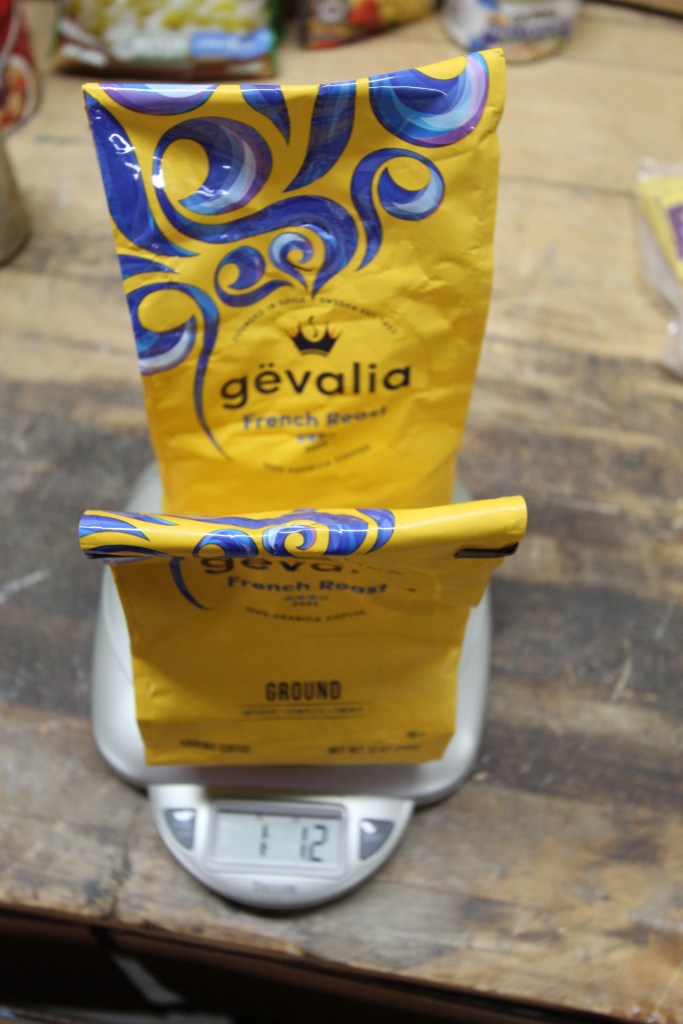
Breakfast starts with coffee, no two ways about it. In my gear you will find the GSI coffee press I use. So my coffee is normally course ground. This past trip I used what I had on hand, with mixed reviews (too much grinds in the cup). However I also bring tea for evenings and just to have something warm to drink.
I am originally a New Yorker, and like both Oatmeal and Cream of Wheat. These are two staples I bring on most trips in individual packages. Of course I shared I like eggs and bacon (or on the ICW Hash) on occasion. When traveling alone I don’t want meals that require allot of prep or cleanup. So those mentioned go on my solo trips.
When traveling with others and/or time permits, pancakes, Jonny cakes (corn based), Arepa’s or Okonomiyaki are fun to have.
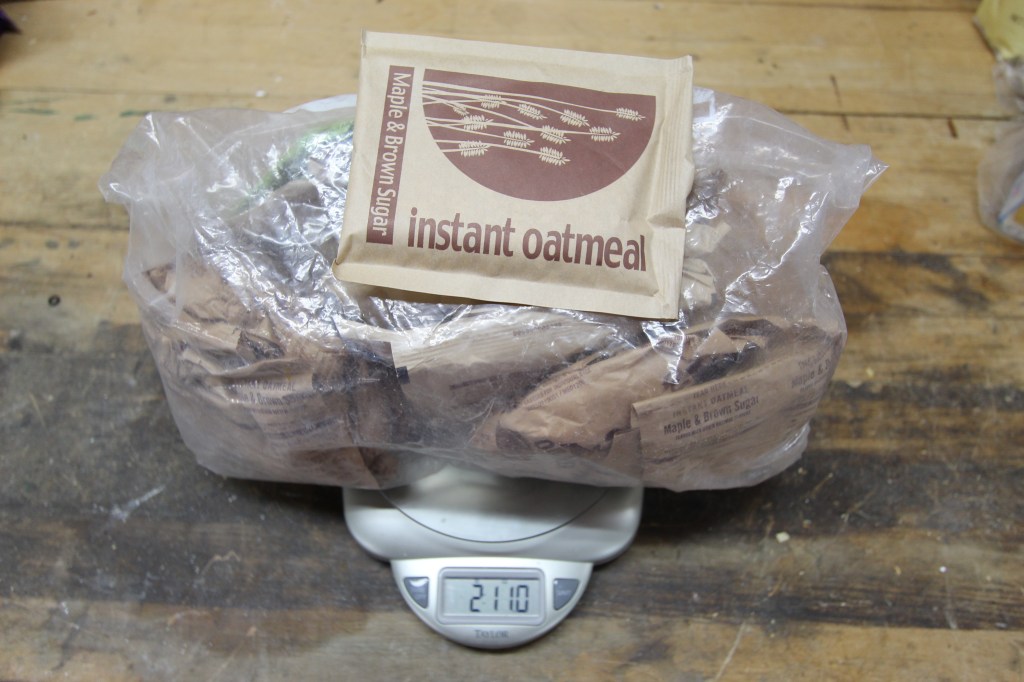
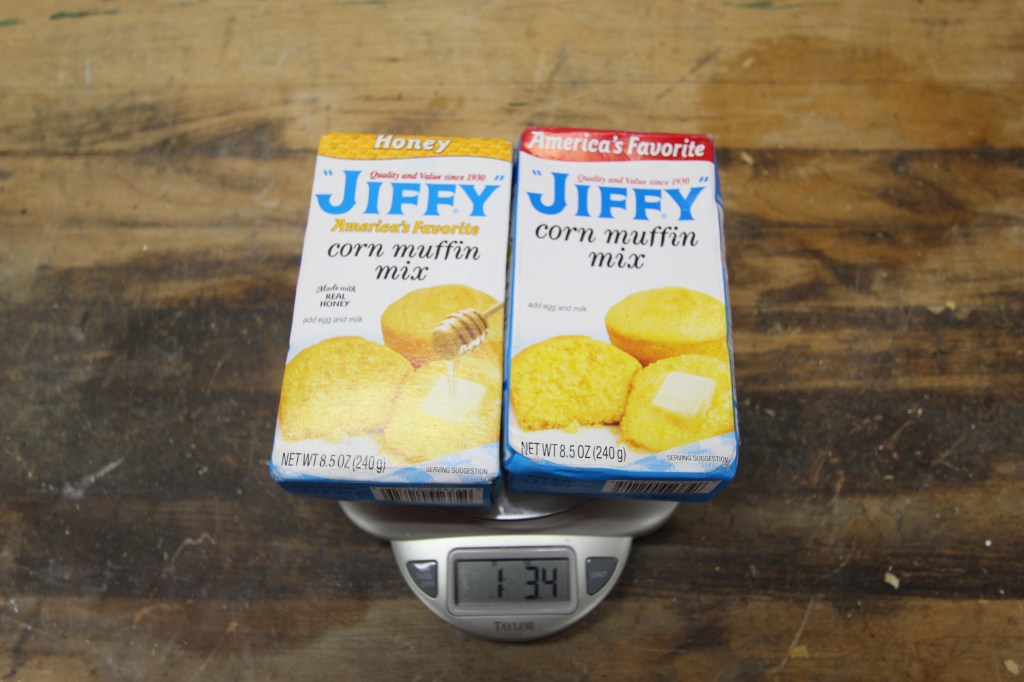
I have made Corn muffins using the pie Iron listed in my gear. I also use the Jiffy to make Jonny Cakes and Arepa’s.
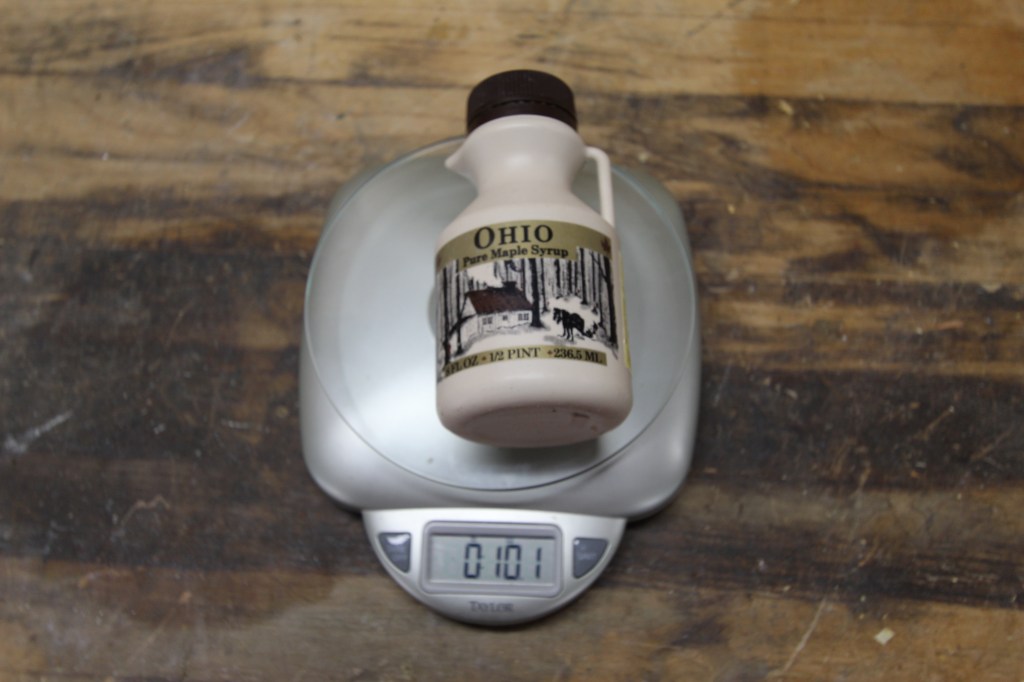
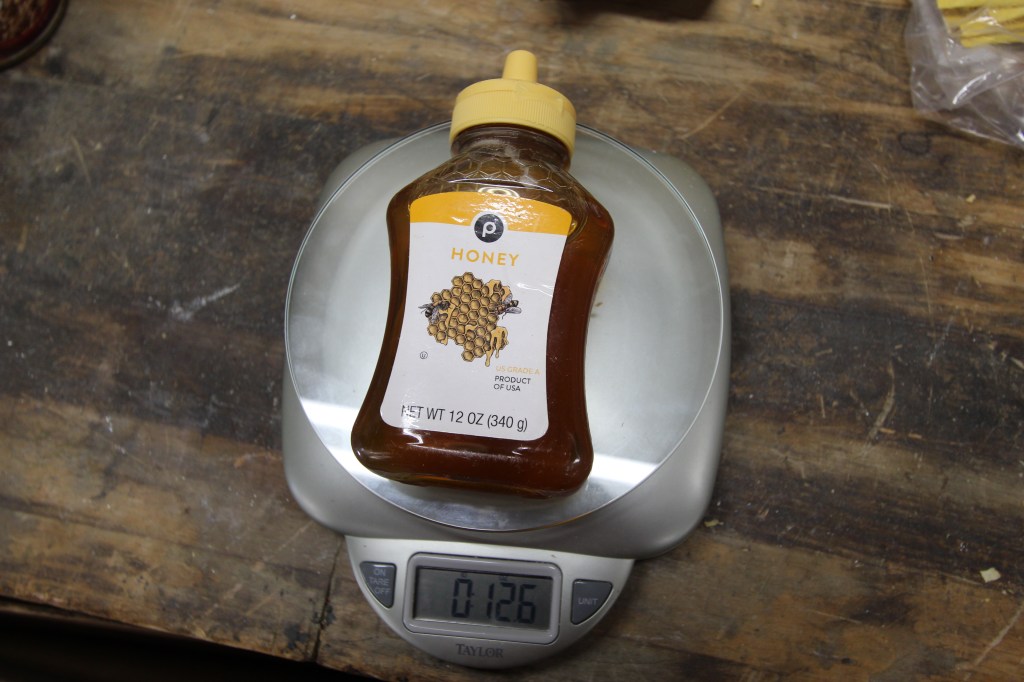
Honey and maple syrup are staple sweeteners and can be used on Corn muffins, coffee, tea or in the cereals.

Lunches and snacks
I need to eat mid day every day but paddling sometimes needs to take precedence, in those cases I rely on healthy (and not so healthy) snacks.
Snacks
So the many “snacks” I tend to bring include:
GORP – aka Trail Mix:
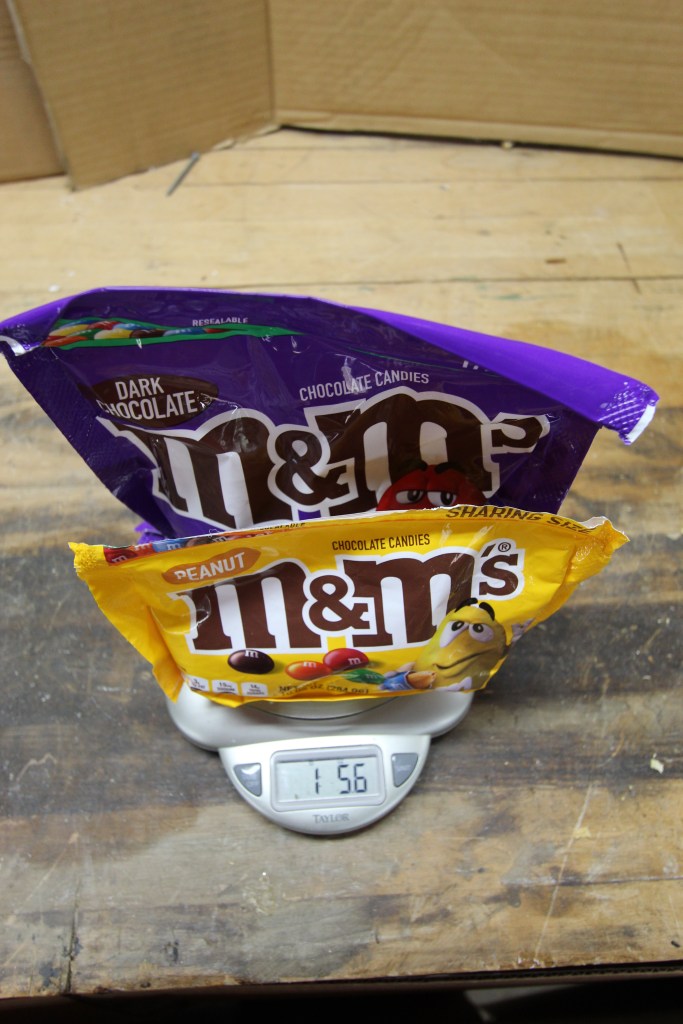
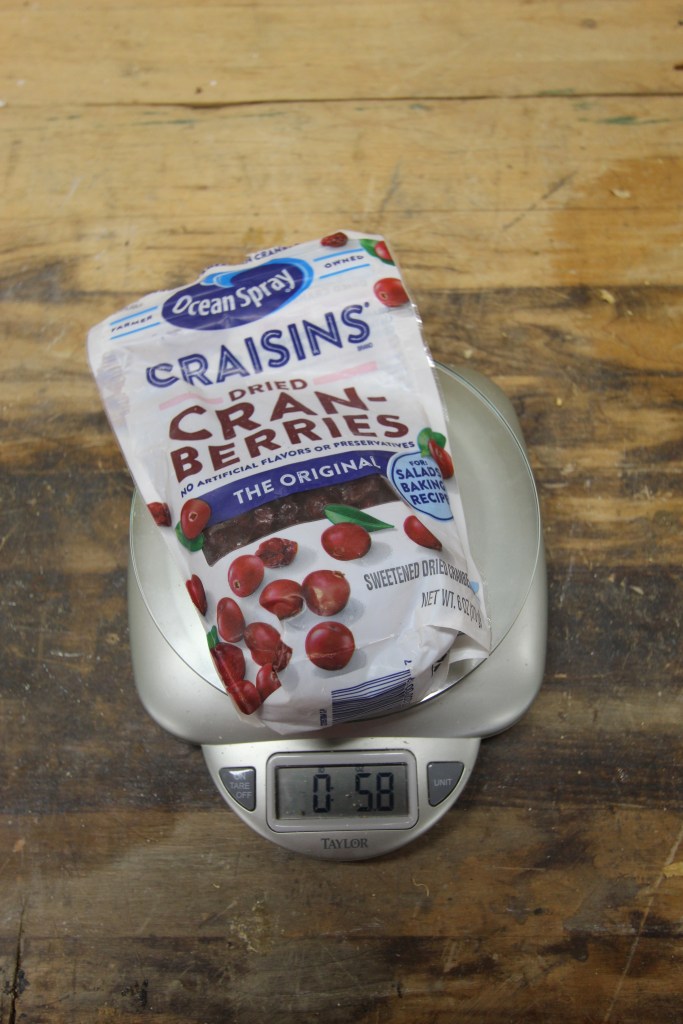
I make my own mix of GORP (“granola, oats, raisins, and peanuts.”) and I live off it. I use cashews (plain unsalted and honey roasted – equal amounts), peanuts (plain unsalted and honey roasted – equal amounts), dried: cranberries, cherries and blue berries, Yogurt covered cranberries and chocolate covered cranberries, as well as Dark chocolate M&M’s.
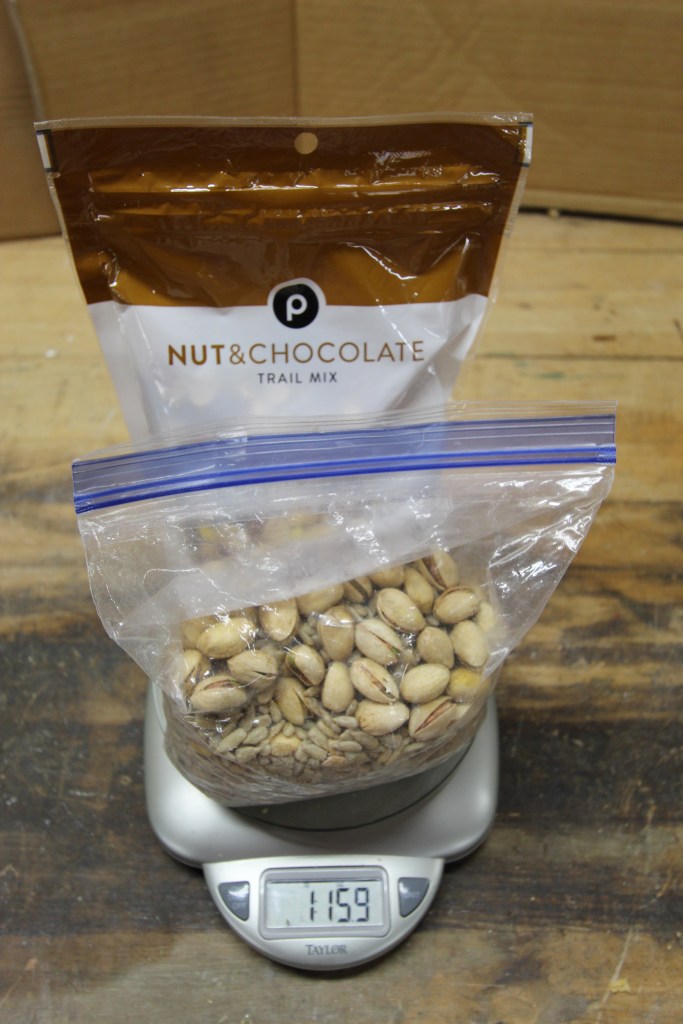
I will purchase trail mix when I am on longer trips rather than carry large quantities of my own mix. Nuts and seeds are also readily available at supermarkets. Pistachios and sunflower seeds are pictured below.
Jerky:
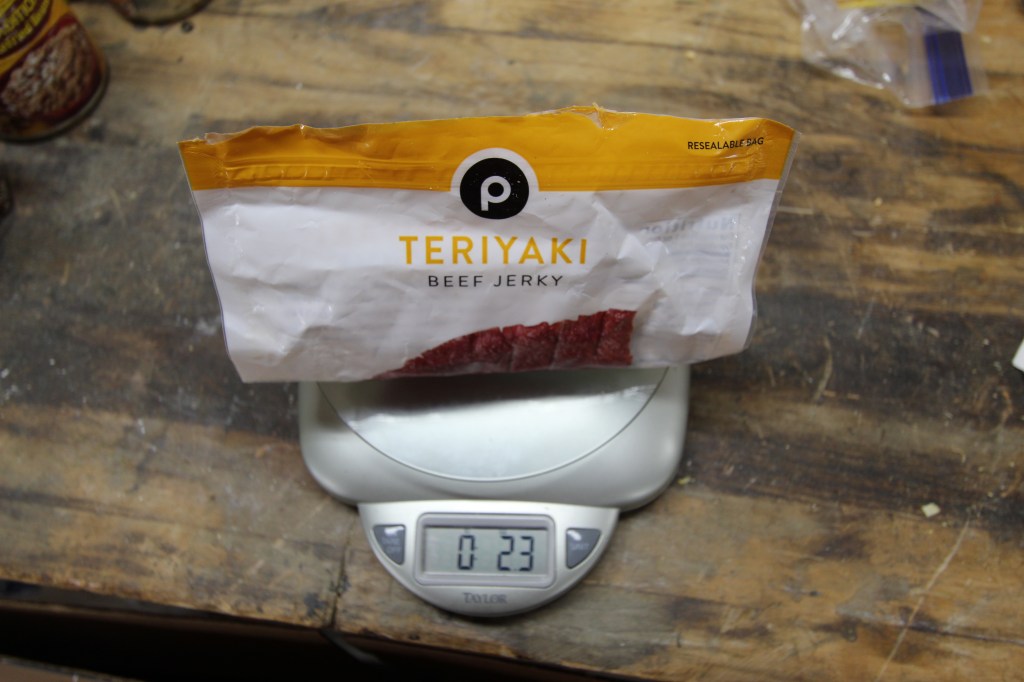
Of course there is the Jerky in its many flavors. I have made Teriyaki flavored with great success in my dehydrator. A google search will give you all the info and recipe’s you could ever want. No dehydrator, no problem there are many ways to use your stove to make Jerky.
Power / Protein bars:
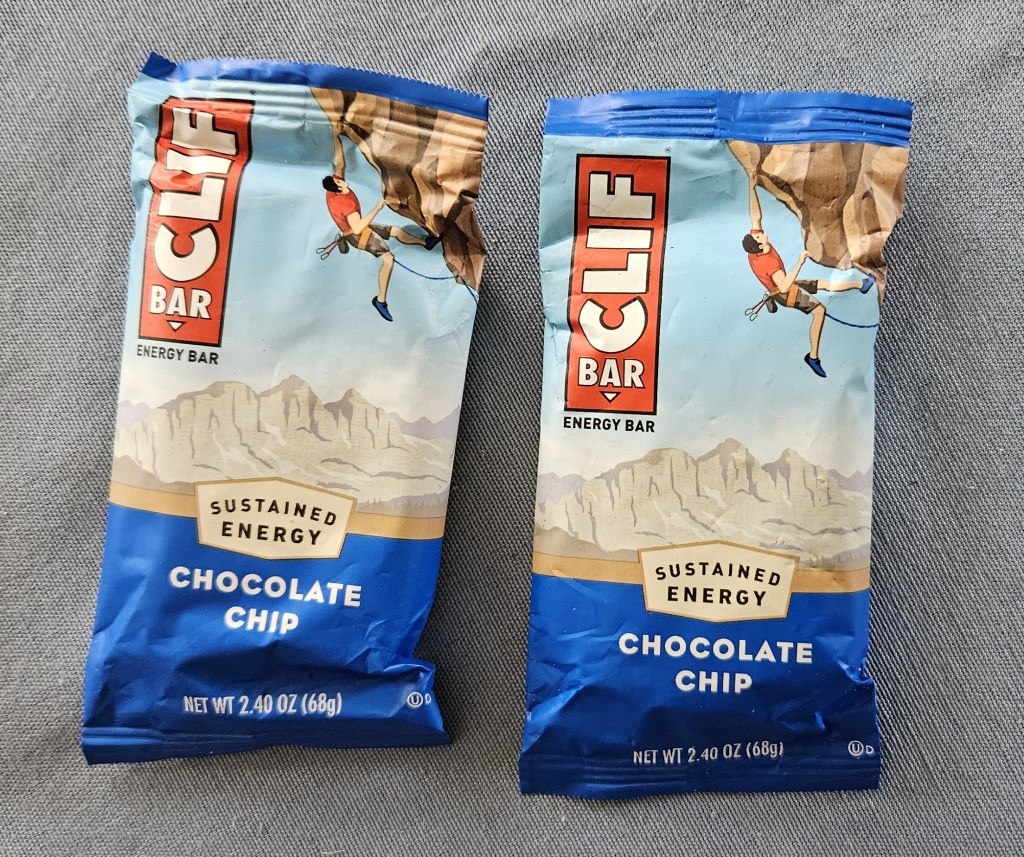
I prefer the Cliff bars to most of the others. But I have a sweet tooth and they are sweeter than most.
Other snacks:
Here are a few of the ready snacks I traveled with.


Lunches:
Sandwiches:
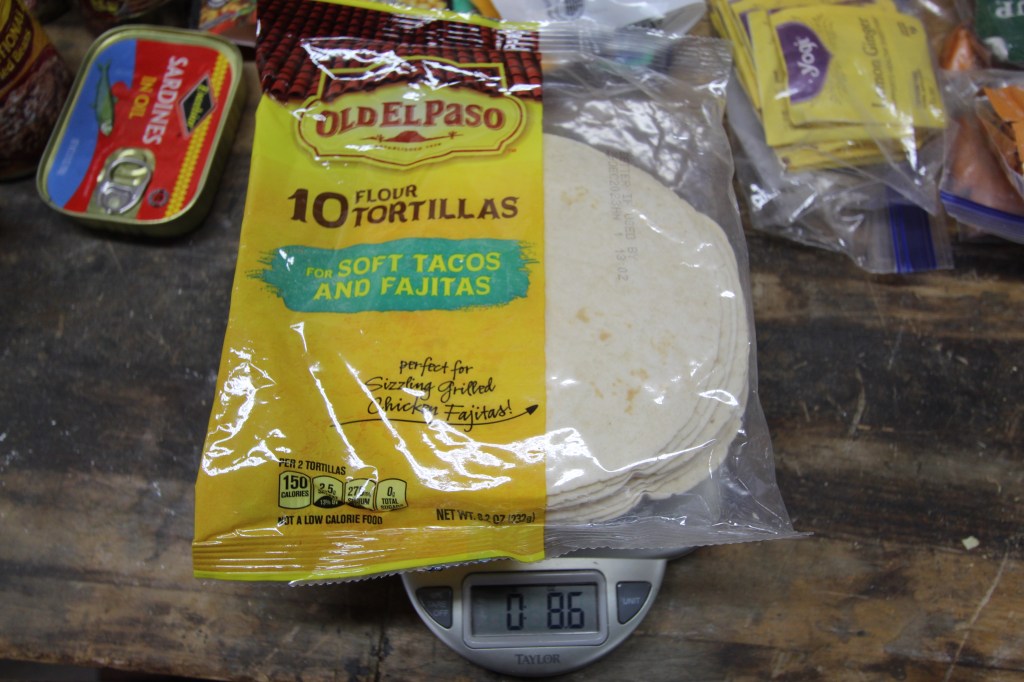
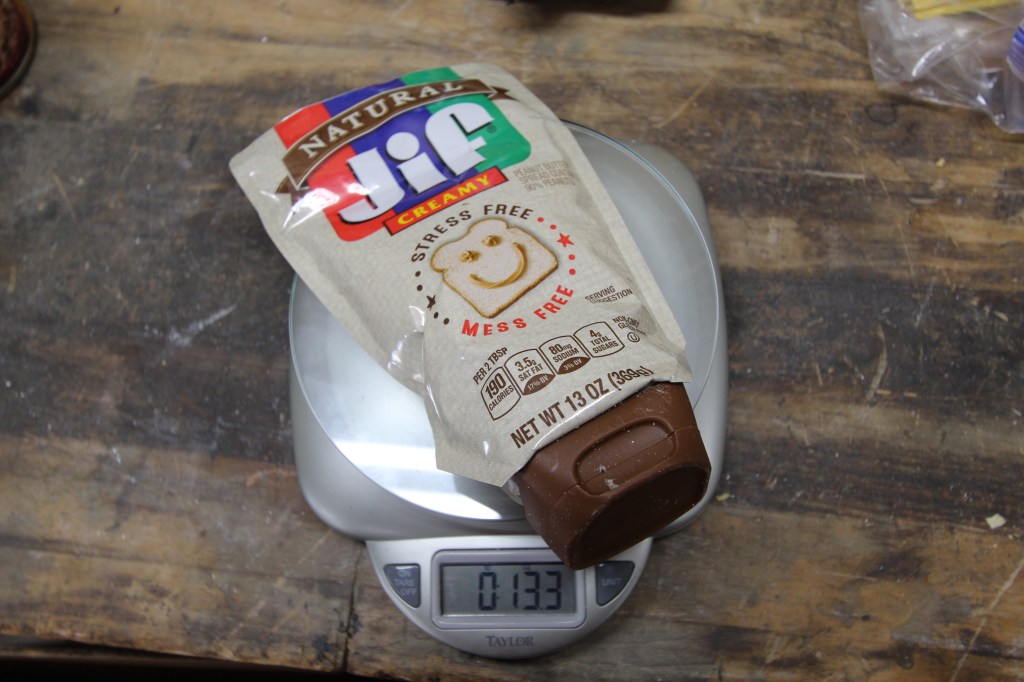
We have talked about the aluminum foiled meats available – These along with taco / burrito shells make a great sandwich. Then there is the astronaut sandwich – Peanut butter and honey on a taco shell.
Of course collecting packages of condiments prior to your trip is an option. I might collect jelly packages, mayo, mustard, catsup …. They can make the sandwich better if not downright flavorful.
Dinners:
So here is where I try to think out of the box, and look at the many processed or dried meals in the supermarket. Sometimes I have to mix and match to get something I will eat and enjoy.
Fresh food:
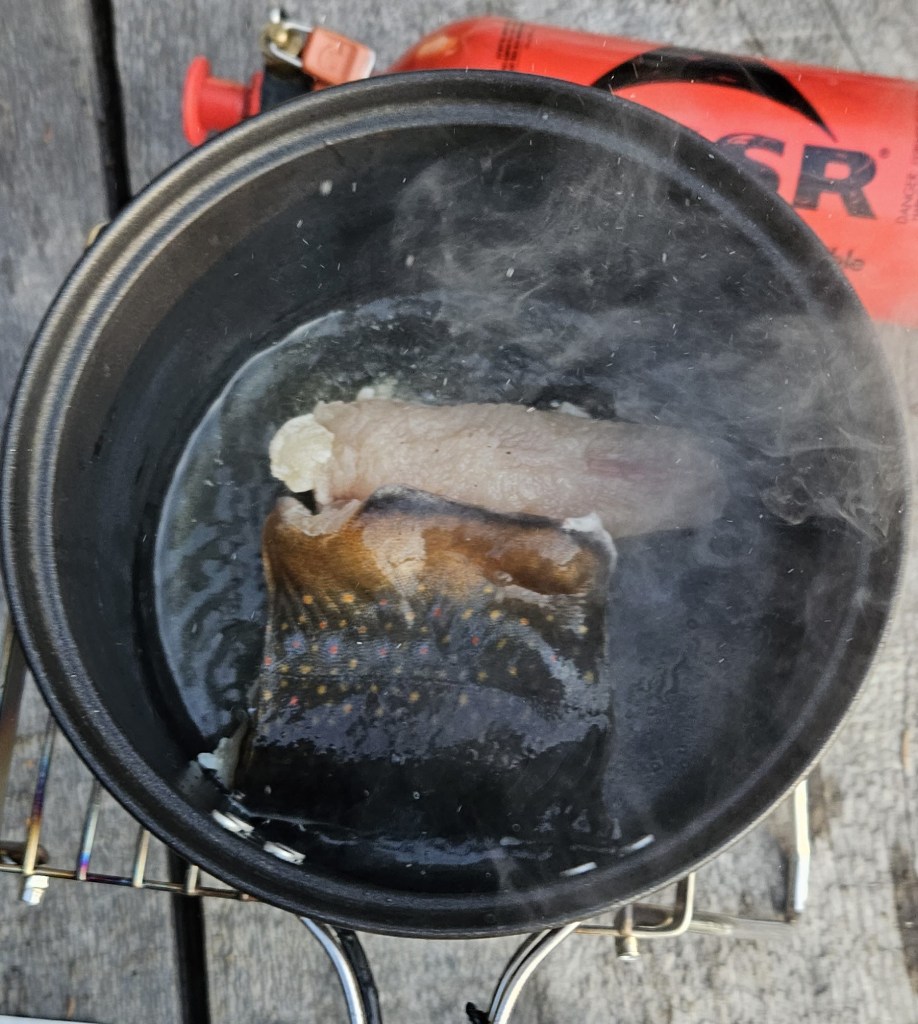
On trips where I have the time to prepare a meal of fresh food, I will try my best to cook something simple. I tend to plan meals that are considered street foods of other countries. I’ll make perogies, meatballs and gravy, Bulgogi, or ramen. Of course if I can, I’ll cook fish (purchased or caught) or some other meat I can keep fresh. Meats and other perishables will be made and consumed on the first night after purchase (or catching).
Fresh fruits and vegetables can normally be carried and used within a day or two. Just remember when carrying fresh foods:
They are heavy, bulky and often are less appealing when squashed or bruised.
Pre packaged:
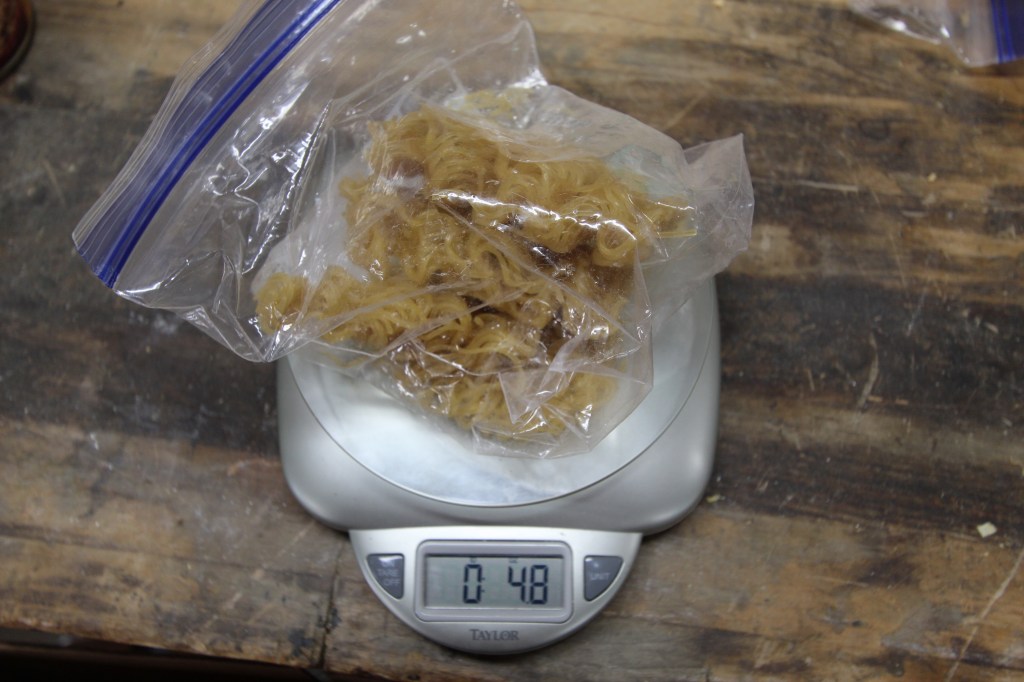
I like the Knorr and Bear Creek soup mixes. Knorr has many single serving mixes that are filling and high in calories. Great when you are paddling allot. They are simple to prepare with the cozy setup I have on my pot, boil water add package and put in cozy for 20 mins. Cleanup is easier if it is a one pot meal too, since it is single serving eat right out of the pot. The Bear Creek soups need to be broken down prior to your trip to single servings. You can choose your favorites and break them down if needed prior to your trip.
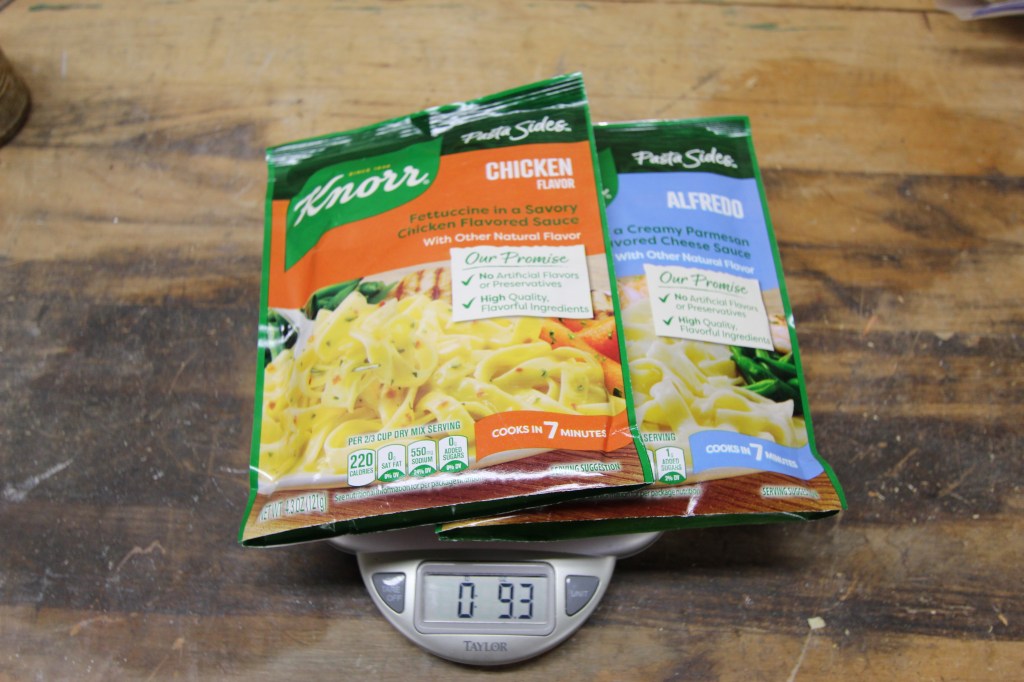

To either of these pre-packaged items, adding a protein from the packaged meats can be tasty.
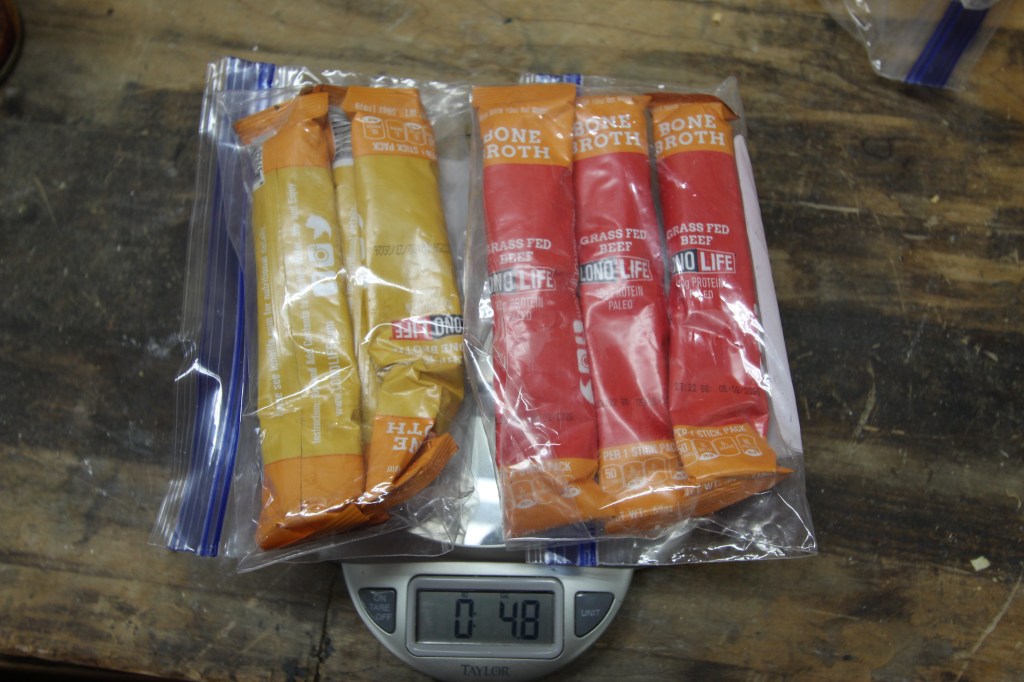
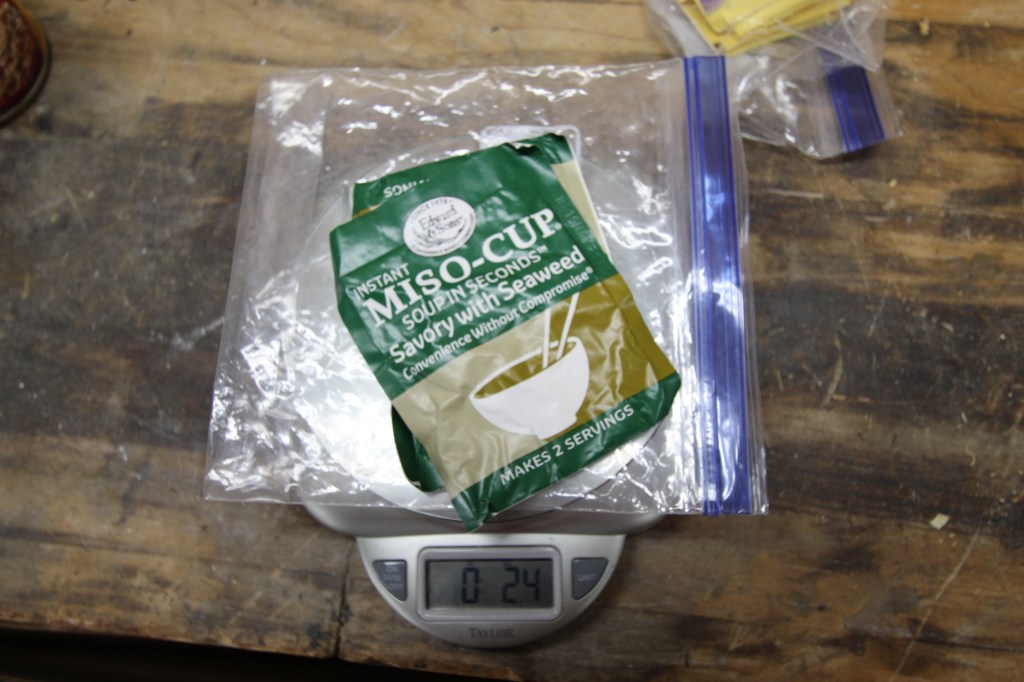
Other soup alternatives like miso and powdered bone broth can be used with ramen (and a protein) to make a good hot meal.
Canned:
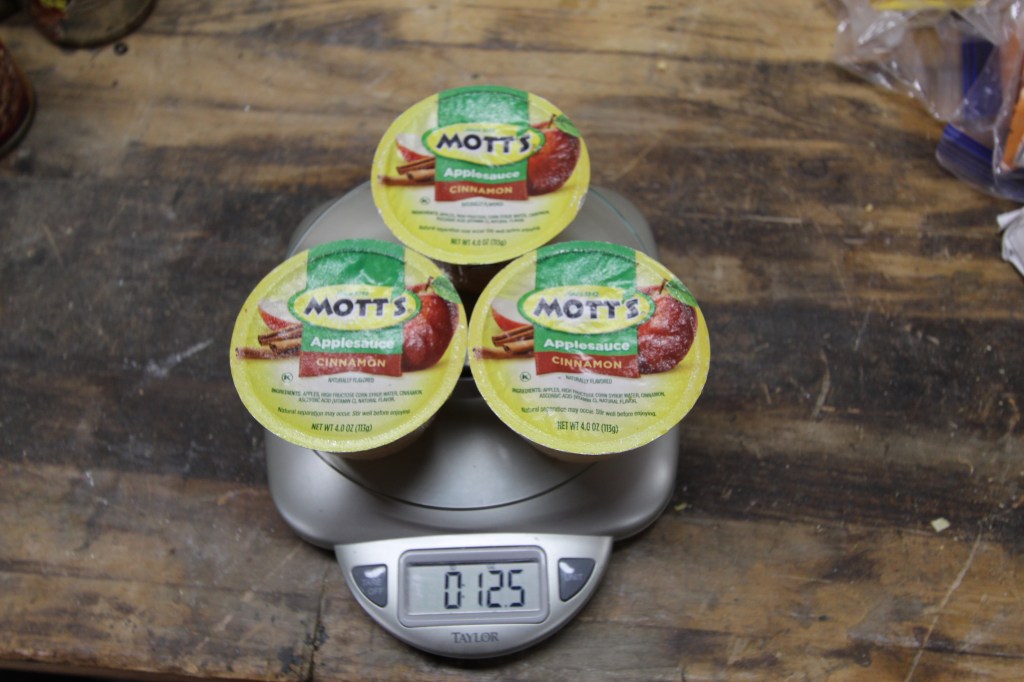
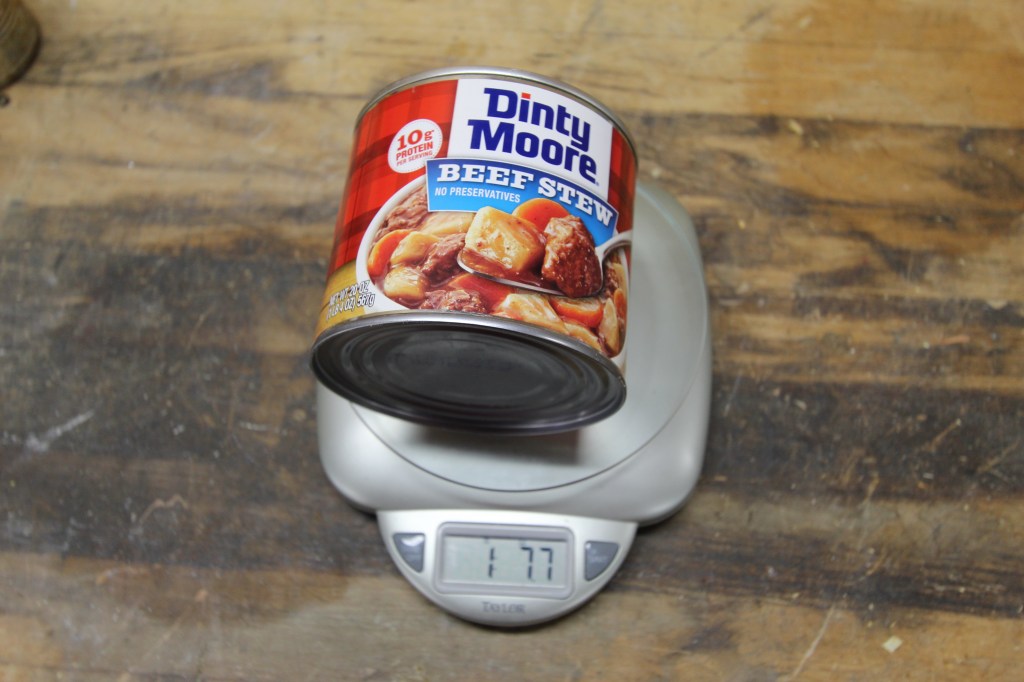
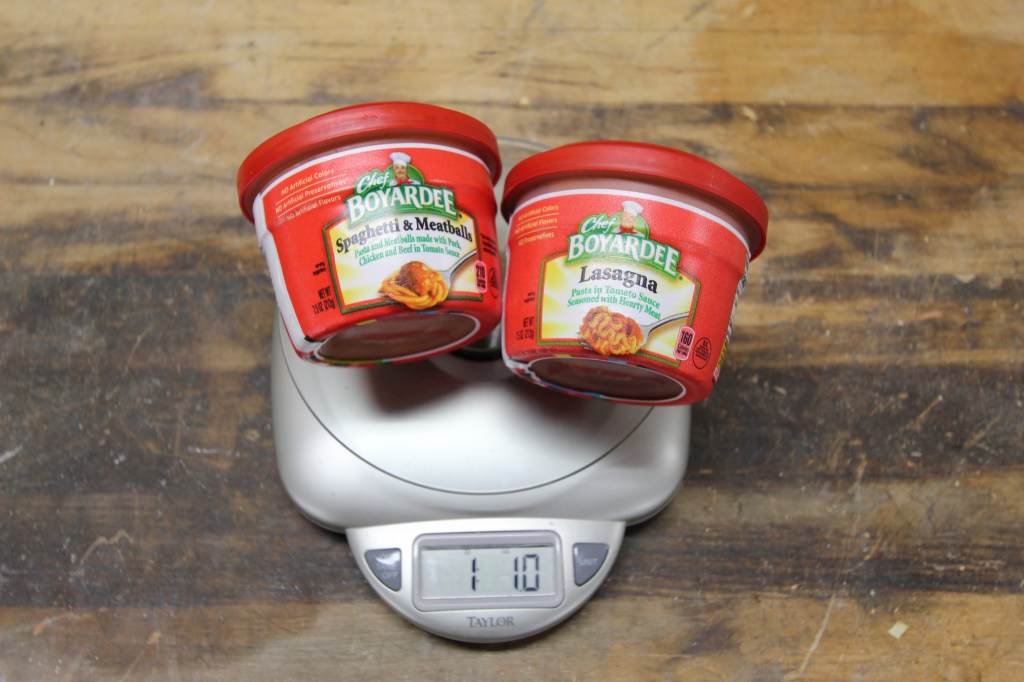
As stated previously, cans and bottles are a no in many areas. Along the ICW they were a blessing as they didn’t need special treatment to keep them eatable (away from the salt water). All sorts of canned goods can be used here but finding single serve isn’t as easy as you would hope. So storing leftovers in plastic bags if it can be kept cool enough is an option.
Some of these items can be heated by placing the container into boiling water and eating out of the can. Made for easy prep and easier cleaning. Be sure to carry out your trash, there are plenty of trash cans along the route to dispose of all of your trash. Practice Leave No Trace!
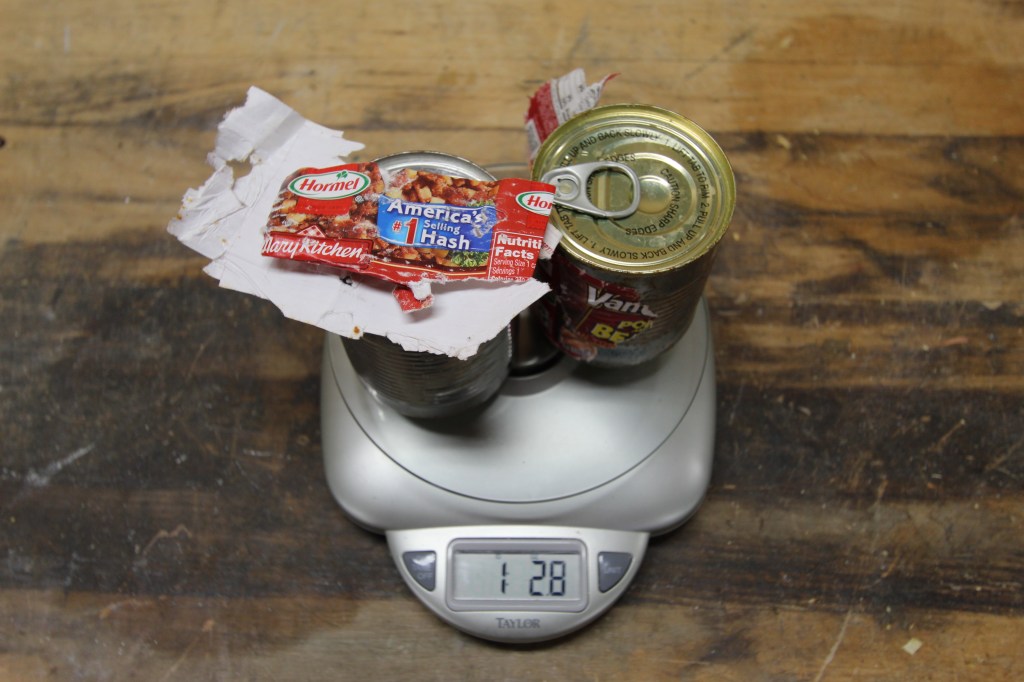
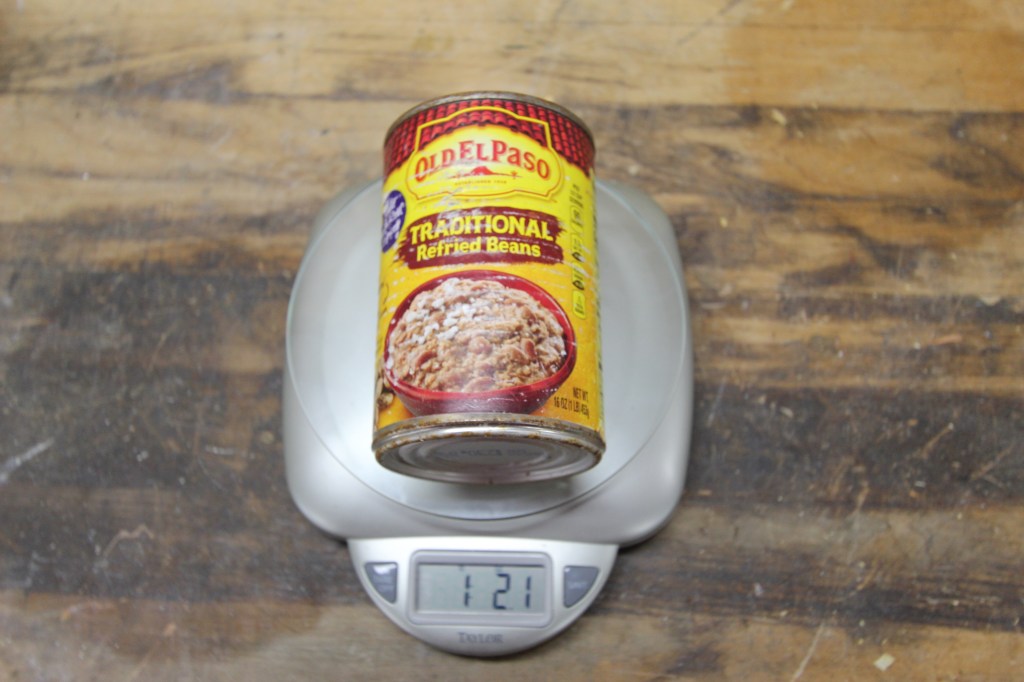
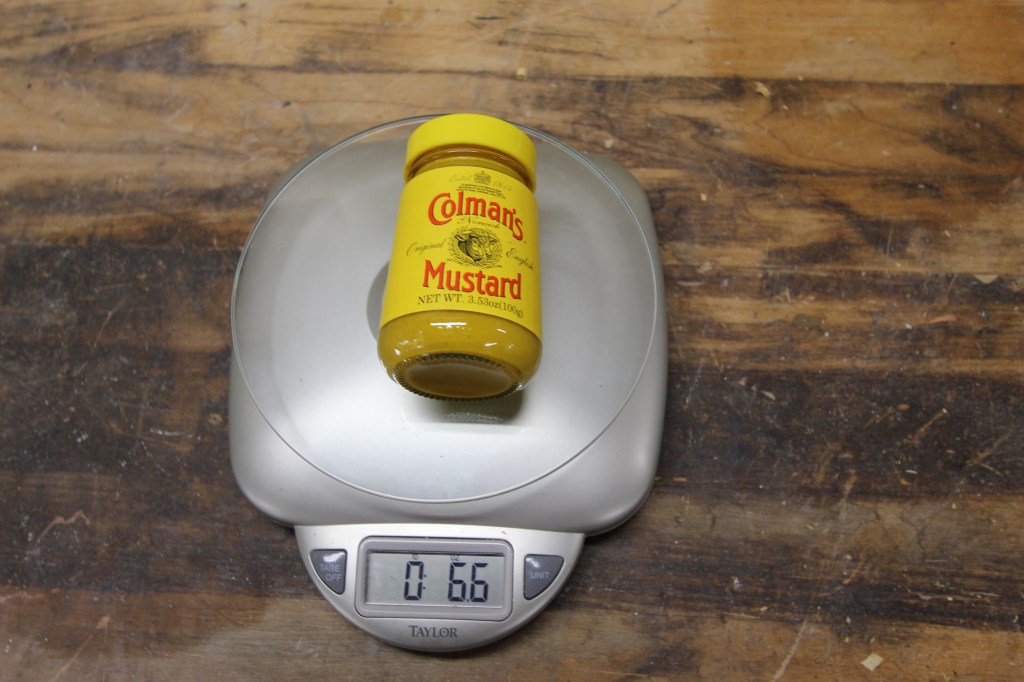
Here are some of the canned items I carried:

 Powered by a Paddle